Studying abroad is a major life goal. It offers new cultures and better job opportunities. However, the cost is rising. Many students now face a difficult choice. Interest rates on education loans are at a peak. You might wonder if the debt is worth the degree.
A loan is a tool. It is not a gift. High interest rates make this tool more expensive. You must look at the numbers before you sign any documents. This guide helps you decide if a loan makes sense for your future.
The Reality of High-Interest Education Loans
Interest rates do not stay the same forever. They go up and down based on the global economy. Right now, rates are high. This means the bank charges you more to borrow the same amount of money.
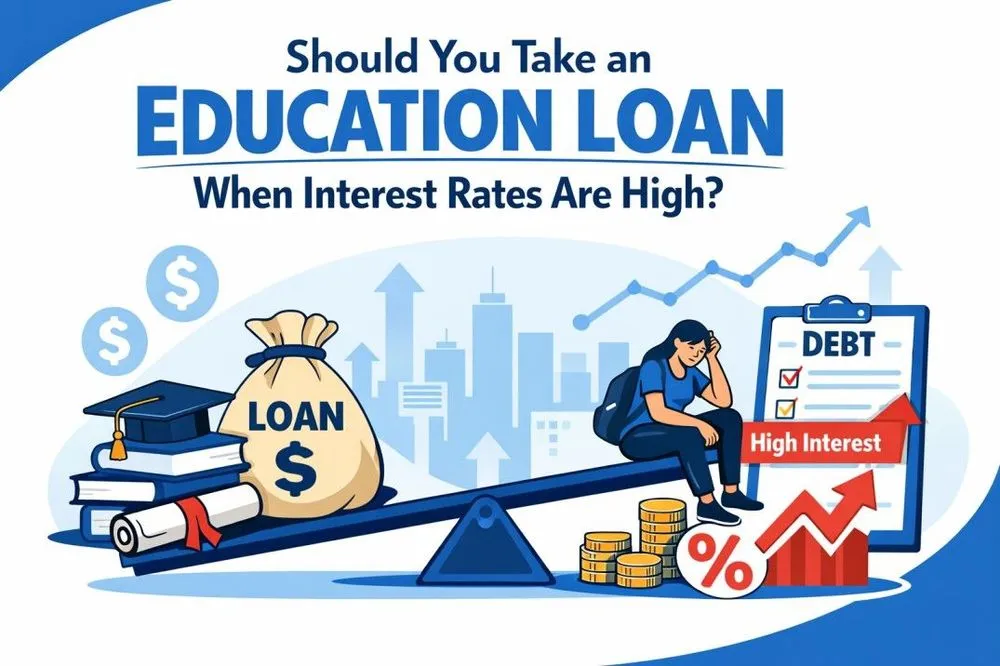
When rates are high, your monthly payments increase. The total amount you pay back over ten years can be double what you borrowed. You are not just paying for your tuition. You are paying for the "rent" of that money.
You must decide if your future salary can handle this rent. Borrowing for a high-paying field is different from borrowing for a low-paying one.
The ROI Formula: Does Your Degree Pay for the Debt?
ROI stands for Return on Investment. In education, this is the most important metric. You should not take a loan based on the name of the university alone. You must look at the job market.
Ask yourself these questions:
- What is the average starting salary for this degree?
- How many months of salary will it take to pay off the loan?
- Is the industry growing or shrinking?
Calculating the Break-Even Point
The break-even point is when your degree starts making you money. Subtract your monthly living costs and your loan payment (EMI) from your expected monthly salary.
If you are left with very little money, the loan is a risk. If you can pay the loan and still save money, the investment is sound. Aim for a job that pays at least 1.5 times your annual loan installment.
How High Rates Impact Your Total Repayment
Most students focus on the monthly payment. This is a mistake. You must look at the "Total Cost of Credit."
A 2% difference in interest might seem small. Over a 10-year period, it can mean thousands of dollars. High rates cause interest to pile up faster than you can pay it. This is especially true during your years of study.
The Danger of Interest Capitalization
Many loans have a moratorium period. This is the time you are in school and not making payments. However, interest still grows during this time.
In many cases, this interest is added to your original loan amount. This is called capitalization. Now, you are paying interest on interest. This can cause your debt to balloon before you even graduate.
Strategies to Lower Your Interest Burden
You do not have to accept the first offer you see. There are ways to push the interest rate down.
Choosing Between Fixed and Variable Rates
Fixed rates stay the same. Variable rates change with the market. When rates are very high, a variable rate might be better if you expect the economy to improve later. If you want safety, choose a fixed rate.
The Power of a Strong Cosigner
A cosigner is someone who promises to pay the loan if you cannot. If your cosigner has a high income and a great credit score, the bank sees less risk. Less risk usually means a lower interest rate for you. Use this to your advantage.
Hidden Costs You Must Identify Before Signing
The interest rate is not the only cost. Banks often hide fees in the fine print.
Look for these charges:
- Processing Fees: A percentage of the loan paid upfront.
- Prepayment Penalties: Fees charged if you pay the loan back early.
- Insurance Costs: Some lenders force you to buy life insurance.
- Currency Exchange Fees: If you borrow in one currency and pay in another, you lose money on the conversion.
Always ask for the "Annual Percentage Rate" or APR. This number includes the interest and all the fees. It is the true cost of the loan.
Alternatives to High-Interest Private Loans
Before taking a high-interest private loan, exhaust all other options.
Start with government-backed loans. These often have lower rates and better protections. Look for scholarships that cover living expenses even if they do not cover tuition.
Some universities offer "Income Share Agreements." In this model, you do not pay a fixed interest rate. Instead, you pay a percentage of your salary after you get a job. This is often safer for students in volatile job markets.
Final Checklist: When to Take the Loan
You should take the loan if:
- The degree is from a top-tier school with high placement rates.
- Your expected salary easily covers the monthly EMI.
- You have a plan to make extra payments early.
- The interest rate is fixed or has a cap.
You should avoid the loan if:
- The total debt is more than your expected first-year salary.
- You are attending a low-ranked school with poor job data.
- You have no "Plan B" if you cannot find a job abroad.
High interest rates make the journey harder. They do not make it impossible. If you borrow wisely and stay disciplined, an education loan is still the best bridge to a global career. Choose the loan based on logic, not just your dream.
Conclusion
Choosing an education loan during high-interest periods requires a calculated strategy rather than an emotional impulse. Focus on the long-term career growth and the specific ROI your chosen degree offers in the current market. If the numbers align with your future salary, the debt becomes a manageable investment in your professional journey.
Success depends on your ability to minimize costs by paying early and selecting the right lender terms carefully. Do not let high rates deter you if the institution provides a clear path to high-paying global opportunities. Stay disciplined with your finances and always prioritize reducing the principal amount whenever you have extra funds.
You can find mentors who are actually going through the same process to help guide your financial decisions. Unicoachify makes it easy by connecting you with real students who are currently studying abroad and managing their own loans. Gain direct insights into how they navigate high interest rates and make your dream of global education a reality.
Frequently Asked Questions
Is It A Good Idea To Take An Education Loan When Interest Rates Are High?
It can still be a smart choice if the course offers strong career outcomes and long-term earning potential. The long-term return on education often outweighs short-term interest costs.
Should I Wait For Interest Rates To Go Down Before Taking An Education Loan?
Waiting may delay your studies and future income. If your intake timeline is fixed, taking the loan now and refinancing later can be a better option.
How Do High Interest Rates Affect Education Loan Repayment?
High interest rates increase total repayment and monthly EMIs. Choosing flexible repayment plans or paying interest during studies can reduce the burden.
Are Fixed Or Floating Interest Rates Better For Education Loans Right Now?
Floating rates usually offer better long-term savings, while fixed rates provide stability but are often higher overall.
Can I Refinance My Education Loan If Interest Rates Drop Later?
Yes. Many lenders allow refinancing once you start earning, helping lower interest rates and monthly payments.
What Factors Should I Consider Before Taking An Education Loan During High Interest Periods?
Focus on course ROI, future salary, total loan amount, repayment tenure, and grace period rather than interest rates alone.
Does A High Education Loan Interest Rate Affect Visa Approval?
No. Visa officers assess proof of funds and repayment ability, not the loan’s interest rate.