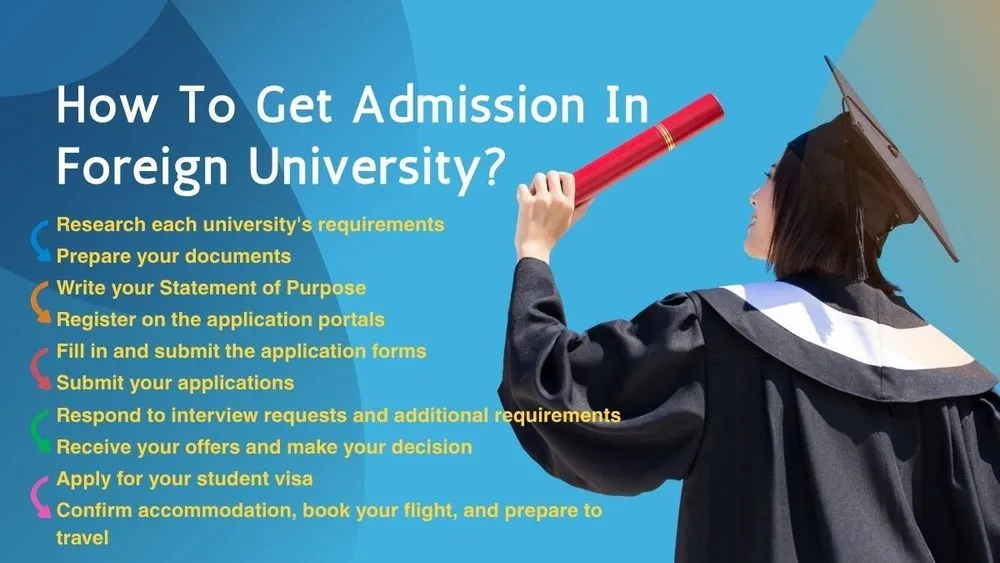
Studying abroad does not always require huge tuition fees. Many countries, top universities, and programs offer opportunities for international students to study abroad for free or at minimal cost. By exploring tuition-free public universities, scholarships, and exchange programs, students can reduce both tuition fees and living expenses while gaining a valuable study abroad experience.
Why Study Abroad for Free?
Studying abroad opens doors to a global education system and unique cultural exchange. It helps students build networks and gain international exposure. High tuition fees and living costs often stop many talented students. Tuition-free programs and scholarships remove this barrier for college students. Choosing free or low-cost options allows students to focus on learning, internships, and research scholars opportunities abroad without financial stress.
7 Strategies to Study Abroad for Free
There are many ways to minimize or eliminate tuition fees, from scholarships to exchange programs. Each strategy gives students a clear path to study abroad successfully. Combining scholarships, tuition-free universities, and work-study options ensures students cover living expenses while gaining a complete study abroad experience.
1. Choose Countries with Tuition-Free Universities
Public universities in Germany, Norway, Finland, Austria, Sweden, and Iceland offer free or low-cost tuition for international students. Many programs are available for bachelors and masters, often taught in English. Students only pay small administrative fees, keeping living costs low.
2. Apply for Fully Funded Scholarships
Scholarships are available to cover tuition fees, living expenses, and travel. Merit-based scholarships like Chevening, DAAD, and Erasmus Mundus are highly competitive. These study abroad scholarships support students with strong academics, leadership, or research scholars profiles. Early preparation increases chances of success.
3. Use University Exchange Programs
Exchange programs allow students to study abroad for one or two semesters while paying tuition to their home university. Youth exchanges and cultural exchange opportunities offer international students credit transfer and reduce overall costs.
4. Study in the Local Language
Public universities in Germany, Austria, and the Czech Republic often waive tuition for programs in the local language. Learning the language can open doors to more programs and scholarships while lowering tuition fees and living expenses.
5. Become an Au Pair
Working as an au pair abroad covers accommodation, meals, and sometimes a small stipend. Students can attend language courses or study part-time while gaining practical experience abroad and reducing living costs.
6. Join Work-Study Sponsorship Programs
Some companies sponsor international students, covering tuition in exchange for post-graduation work. These programs are ideal for students seeking paid internships or an intern abroad experience while earning a degree.
7. Use Scholarship Databases and Funding Platforms
Many students miss free study abroad opportunities due to limited research. Platforms like Unicoachify, Studyin.eu, and Mastersportal.com help discover tuition-free programs, merit-based scholarships, and funding for living costs.
Universities Offering Free Study Opportunities with Scholarships
Many public universities provide tuition-free study for international students, along with scholarships to cover living expenses. Using these universities increases your chances of securing full funding and a complete study abroad experience.
Ludwig Maximilian University of Munich
LMU Munich is one of Germany’s top public universities. Most master’s programs have no tuition fees for international students. Students only pay small semester administrative costs, making it ideal for studying abroad for free.
University of Oslo
The University of Oslo in Norway provides affordable tuition and strong support for international students. Many scholarships are available, and exchange programs make it a top choice for students seeking a low-cost study abroad experience.
University of Helsinki
The University of Helsinki offers fully funded scholarships for international master’s students. Tuition is covered for selected programs, and students can apply for additional funding to cover living costs and study abroad experience.
University of Vienna
Founded over 650 years ago, the University of Vienna offers low-cost programs for international students, especially those studying in German. Scholarships and exchange programs make it a prime destination for tuition-free study abroad.
Charles University
Charles University in Prague offers numerous low-tuition programs, especially in Czech. Scholarships for international students are available to cover tuition and living expenses, making it a top choice for students pursuing free or low-cost education abroad.
How to Apply for a Tuition-Free Master’s Program in Germany?
Applying requires research, document preparation, and scholarship applications. Following step-by-step ensures students can study abroad for free.
Step 1. Research Tuition-Free Universities
Identify public universities in Germany offering your preferred program. Focus on tuition-free options, check if programs are in English or German, and compare living costs and scholarship opportunities.
Step 2. Check Admission Requirements
Review GPA requirements, academic transcripts, language test scores, and additional criteria for bachelors or masters. Each university may have specific eligibility criteria and deadlines.
Step 3. Prepare Your Documents
Collect official transcripts, degree certificates, a motivation letter, recommendation letters, CV, and language proficiency scores. Organize digital and printed copies for timely submission.
Step 4. Apply Through Uni-Assist or University Portals
Most German universities accept applications through Uni-Assist. Some allow direct online applications. Submit all required documents and ensure you follow the university-specific instructions.
Step 5. Apply for Scholarships and Funding
Even with free tuition, living costs must be covered. Apply for DAAD, Erasmus Mundus, or university-specific scholarships to fund accommodation, food, health insurance, and travel expenses.
Step 6. Apply for a Student Visa
After admission, apply for a German student visa. Show proof of sufficient funds, health insurance, and admission letters. This step ensures you can legally study and reside in Germany.
Step 7. Prepare for Arrival in Germany
Plan housing, health insurance, and travel before the semester starts. Register at the local authorities, attend orientation, and get ready to start classes while managing living expenses efficiently.
Conclusion
Studying abroad for free is possible with tuition-free universities, scholarships, and exchange programs. These opportunities reduce tuition fees and living costs for international students. Early research, strategic planning, and proper applications allow students to study abroad, gain work experience, and enjoy a full cultural exchange without financial stress.
FAQs
Is there a 100% scholarship?
Yes. Fully funded scholarships cover tuition fees, living expenses, health insurance, and travel. Many programs are available for international students who meet academic and merit-based criteria.
Can I get a 100% scholarship in the UK?
Yes. Scholarships like Chevening and Commonwealth fully cover tuition, living costs, and travel. They are merit-based and highly competitive, ideal for students with strong academics and leadership experience.
What is a good GPA for a scholarship?
Most scholarships prefer a GPA of 3.5+ on a 4.0 scale. However, strong research, internships abroad, leadership roles, and community involvement can also improve your chances of receiving funding.
Can I study abroad for free?
Yes. Many students study abroad for free by combining tuition-free universities, fully funded scholarships, exchange programs, and work-study opportunities. Planning and early applications are key to success.
How can I cover living expenses while studying abroad?
Even with free tuition, living costs apply. Students can apply for living scholarships, work part-time, become an au pair, or join research and intern abroad programs to reduce expenses.